
Infrastructure Flexibility: The Key to Avoiding the Two Most Expensive Fleet Charging Mistakes
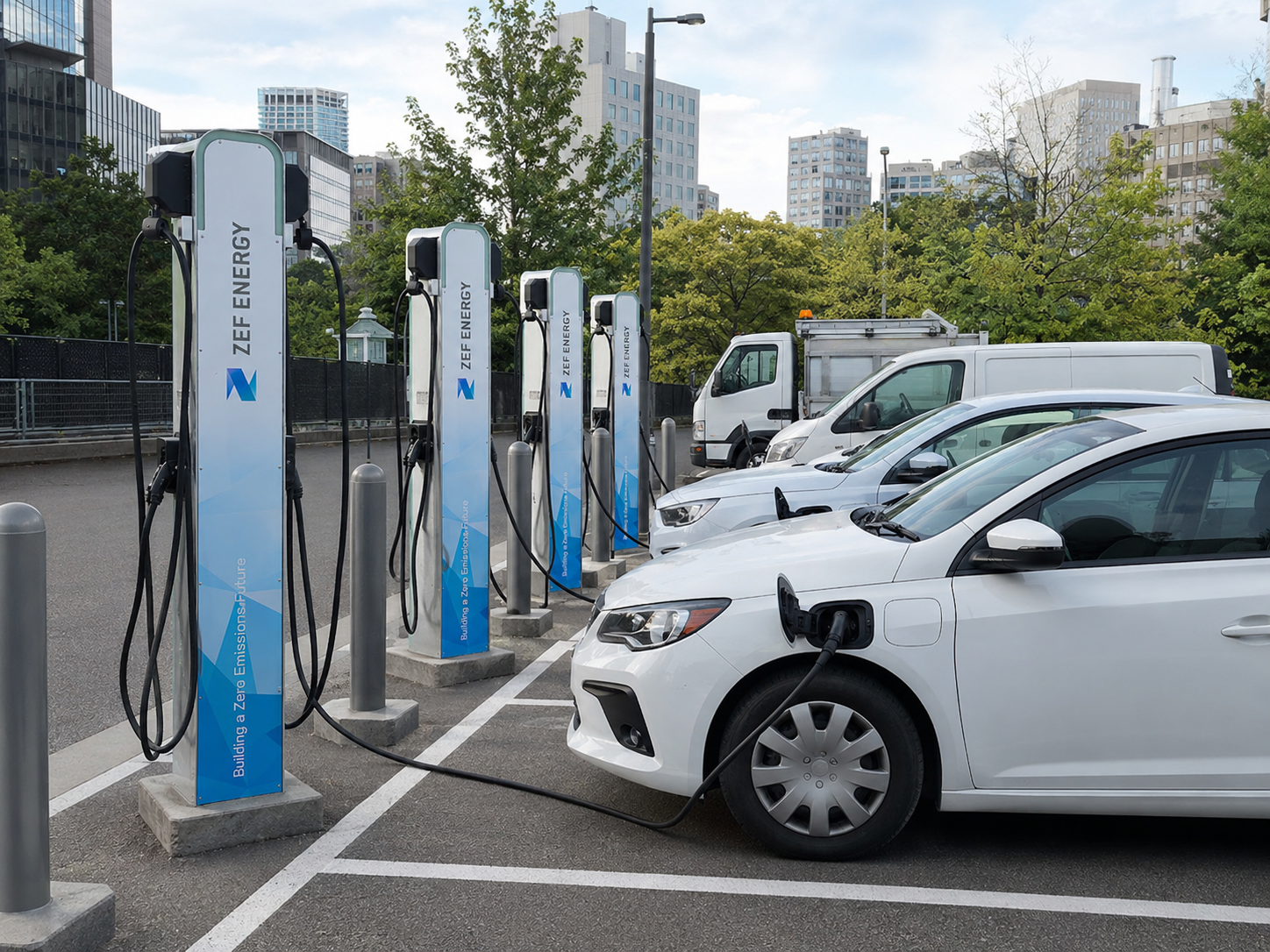
What if the biggest risk to your fleet electrification budget is not spending too little, but choosing a charging infrastructure design that cannot scale?
The second expensive mistake is the opposite: under-building for the fleet size you will actually have in three years. What looks like a lean, cost-conscious rollout today can become a bottleneck when your fleet grows. That can force a disruptive and costly retrofit, including new panels, new conduit runs, and possibly a full site redesign, right when you can least afford the downtime.
Both mistakes come from the same root cause: designing a charging system around a single snapshot in time instead of a growth trajectory. For fleet managers, operations directors, facilities teams, municipal buyers, and infrastructure planners, the answer is not to guess the perfect charger count. The answer is to build flexibility into the system from day one.
What Flexibility Actually Looks Like
Flexibility is not an abstract goal. It shows up in four practical decisions during planning and installation.
Contact us for a free planning consultation.
1. Load Management Systems
Smart load management can help fleets add vehicles to charging infrastructure without immediately triggering a utility service upgrade. Instead of provisioning peak electrical capacity for every charger running at full power at the same time, a load management system can dynamically allocate available power across active chargers.
For example, a site with 10 chargers installed but only 6 vehicles actively charging at once may be able to operate on less electrical capacity than a worst-case, all-chargers-at-once design would require. This can help organizations expand charging capacity more efficiently and may delay the need for a utility service upgrade, depending on site conditions, charging behavior, and available electrical capacity.
2. Site Design for Future Capacity
Even if you are not installing every charger on day one, your site design should account for the chargers you may add later. That means evaluating conduit pathways, reserving panel capacity for future circuits, and thinking through parking layout, cable reach, accessibility, and expansion space while the site is still being planned.
The incremental cost of preparing for future capacity during initial construction is often smaller than the cost of trenching a finished lot, reopening walls, or redesigning a parking layout a year or two later.
3. Scalable Hardware
Less flexible charging designs can limit expansion options and make future growth more expensive. Modular hardware and expandable system architecture can help fleets add capacity more incrementally as vehicle count and charging demand grow.
Instead of making every future phase feel like a new project, scalable charging hardware allows organizations to align capital spend with actual fleet growth and operational demand.
4. Utility Rate Structures That Support Growth
Infrastructure flexibility is not only physical. It is also contractual. Utility rate structures can penalize organizations for demand they are building toward but have not yet reached, or they can support managed growth when charging behavior is planned carefully.
Understanding demand charges, time-of-use rates, managed charging incentives, and interconnection requirements before finalizing a design can help prevent surprise operating costs later. Reviewing utility EV fleet rate programs in your service territory should be part of the infrastructure planning process.
Why This Matters
The goal of a well-designed charging system is simple to state and hard to execute: it should handle your fleet today, scale as your fleet grows, and avoid a complete site redesign when the next round of vehicles arrives.
Getting there requires planning for a range of outcomes rather than a single number. It also requires building in the physical, electrical, and contractual flexibility to move within that range without starting over.
A Better Planning Question
Instead of asking only, "How many chargers do we need today?" fleet teams should ask:
How do we design a charging system that supports today's fleet and scales without a full site redesign?
That question changes the planning process. It connects fleet growth, electrical capacity, site design, charger selection, and utility coordination into one infrastructure strategy.
Build for Today. Scale for Tomorrow.
The strongest fleet charging deployments are not always the largest on day one. They are the ones with a clear expansion path.
A flexible infrastructure plan helps organizations avoid overbuilding, avoid under-building, and make smarter long-term investments.
The goal is a system that handles the fleet today, scales as the fleet grows, and does not require a complete redesign when the next round of vehicles arrives.
Planning a fleet charging deployment? ZEF Energy can help your team think through load, site design, expansion needs, and long-term infrastructure strategy before the first charger is installed.